Functional first. Regenerative when structure matters.
We help clinics integrate functional and regenerative medicine into one coherent model of care—beginning with the systems that shape health from the inside, then adding regenerative options when tissue, degeneration, or structural limitation becomes part of the clinical picture.
Start insideFunctional foundation
Systems · Inputs · Function
When structure limits progress
Add when appropriateRegenerative layer
Tissue · Structure · Recovery
One philosophy One team One patient journey
The core premise
Health is both systems and structure.
Functional and regenerative medicine address different dimensions of the same patient. The strongest clinic model does not force a choice between them—it uses each discipline at the point where it is most relevant.
01 / Function
Begin with the environment inside the patient.
Functional medicine uses a systems-based, whole-person lens to understand how history, lifestyle, nutrition, environment, and interconnected physiology influence health and function.
Understand the whole person
Identify modifiable drivers
Build a personalized foundation
Measure and refine over time
02 / Structure
Recognize when biology meets a structural limit.
Sometimes a meaningful tissue, mechanical, or degenerative limitation remains part of the picture. At that point, an appropriately licensed clinician may consider regenerative or other structural options within an individualized plan.
Assess structural constraints
Clarify appropriate options
Coordinate care and expectations
Continue foundational support
Our point of view
Start inside. Support structure when needed.
“Limitation of matter” is the practical recognition that physiology alone may not fully overcome a significant structural problem. It is not a diagnosis or a predetermined treatment—it is a clinical decision point.
The functional foundation does not disappear when regenerative care enters the plan. Nutrition, metabolic health, recovery capacity, movement, sleep, and other individualized factors remain part of the broader care environment.
The connected journey
The sequence is the strategy.
01
Understand
See the whole patient, the desired outcome, and the factors influencing function.
02
Build
Establish the functional foundation and the habits, support, and measures around it.
03
Assess
Identify where structural or tissue limitations may require a different clinical tool.
04
Integrate
Add appropriate regenerative or structural care without fragmenting the patient journey.
05
Adapt
Continue follow-up, reassessment, functional support, and coordinated care.
Why integration is the USP
Not two departments. One philosophy of care.
A
A clearer patient story
Patients can understand why the clinic begins with function and when structural care may enter the plan.
B
A more coherent journey
Evaluation, education, treatment planning, and follow-up connect instead of operating as isolated service lines.
C
A stronger team model
Providers, coaches, care coordinators, and patient-facing teams understand their role in the same continuum.
D
A differentiated market position
The clinic is positioned around an integrated philosophy—not a collection of disconnected treatments.
What SG Solutions builds
Turn the philosophy into an operating model.
A compelling idea only becomes a clinic advantage when the patient journey, team, messaging, and operating systems all support it.
01
Service-line architecture
Define how functional and regenerative services fit within one clinic model.
02
Evaluation and handoff pathways
Clarify how patients move between providers, teams, and stages of care.
03
Patient messaging and education
Explain the inside-out model in language patients can understand.
04
Roles, workflows, and training
Equip the team to deliver a coordinated experience consistently.
05
Follow-up and operating rhythm
Install the scorecards, meetings, and accountability that keep the model working.
Our belief
A stronger direction for modern primary healthcare.
We believe Functional Regenerative Medicine is a compelling model for primary healthcare because it combines personalized, whole-person, prevention-oriented thinking with the ability to address structural limitations when clinically appropriate. It does not replace emergency care, specialist care, or evidence-based medical treatment. It creates a more connected framework around the patient.
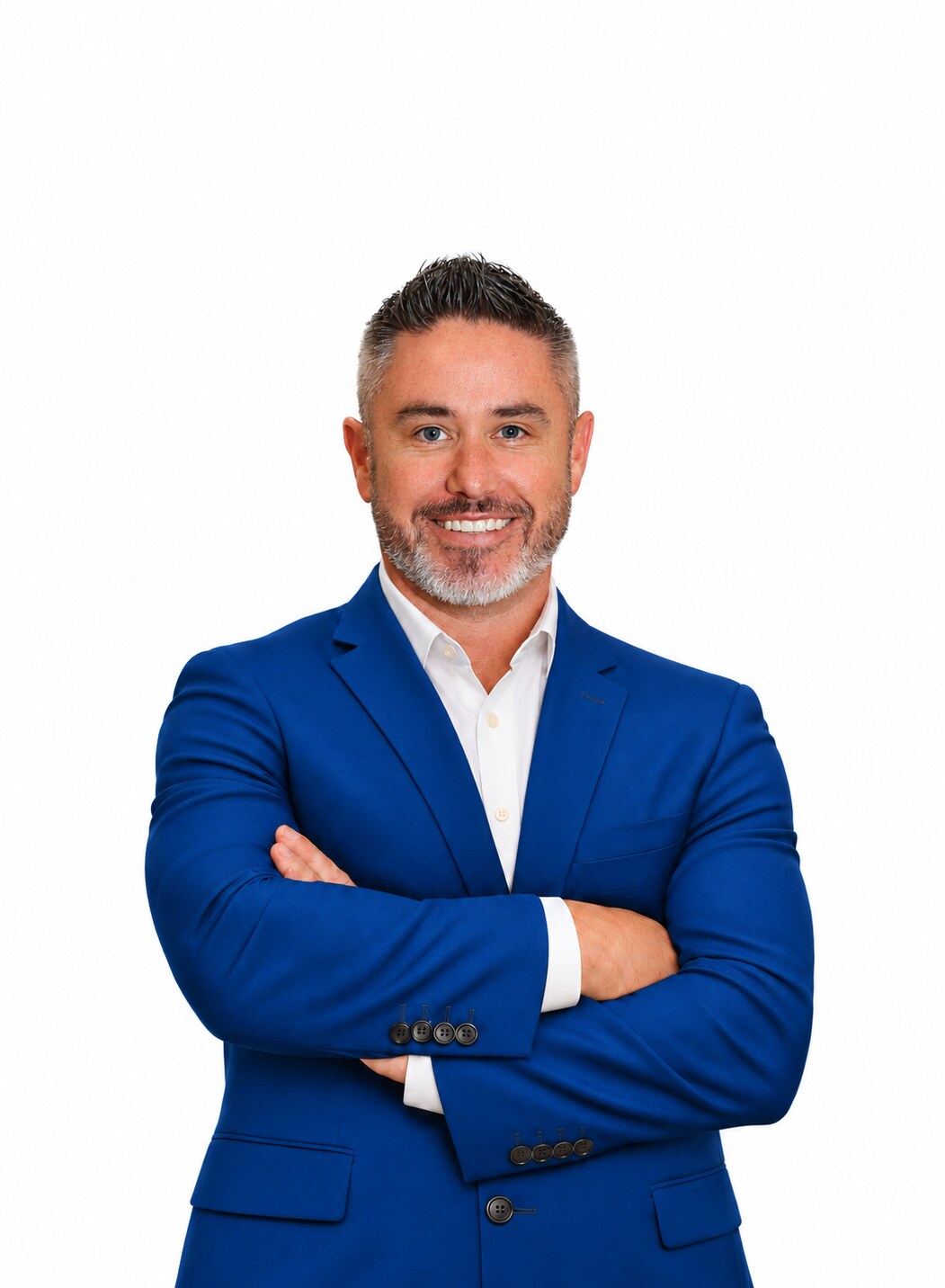
Dr. Jason Minsky, DCFounder · Clinic Growth Strategist
The perspective behind the model
Built from a clinician’s view of the whole clinic.
Dr. Jason Minsky is a chiropractor, clinic operator, and growth strategist. He brings a clinician’s perspective and an operator’s discipline to clinic growth, helping practices connect functional medicine, regenerative medicine, patient education, team systems, and implementation into one clear model.
That combination is the foundation of SG Solutions: not simply adding services, but building a clinic where the philosophy, patient journey, team, and business systems work together.